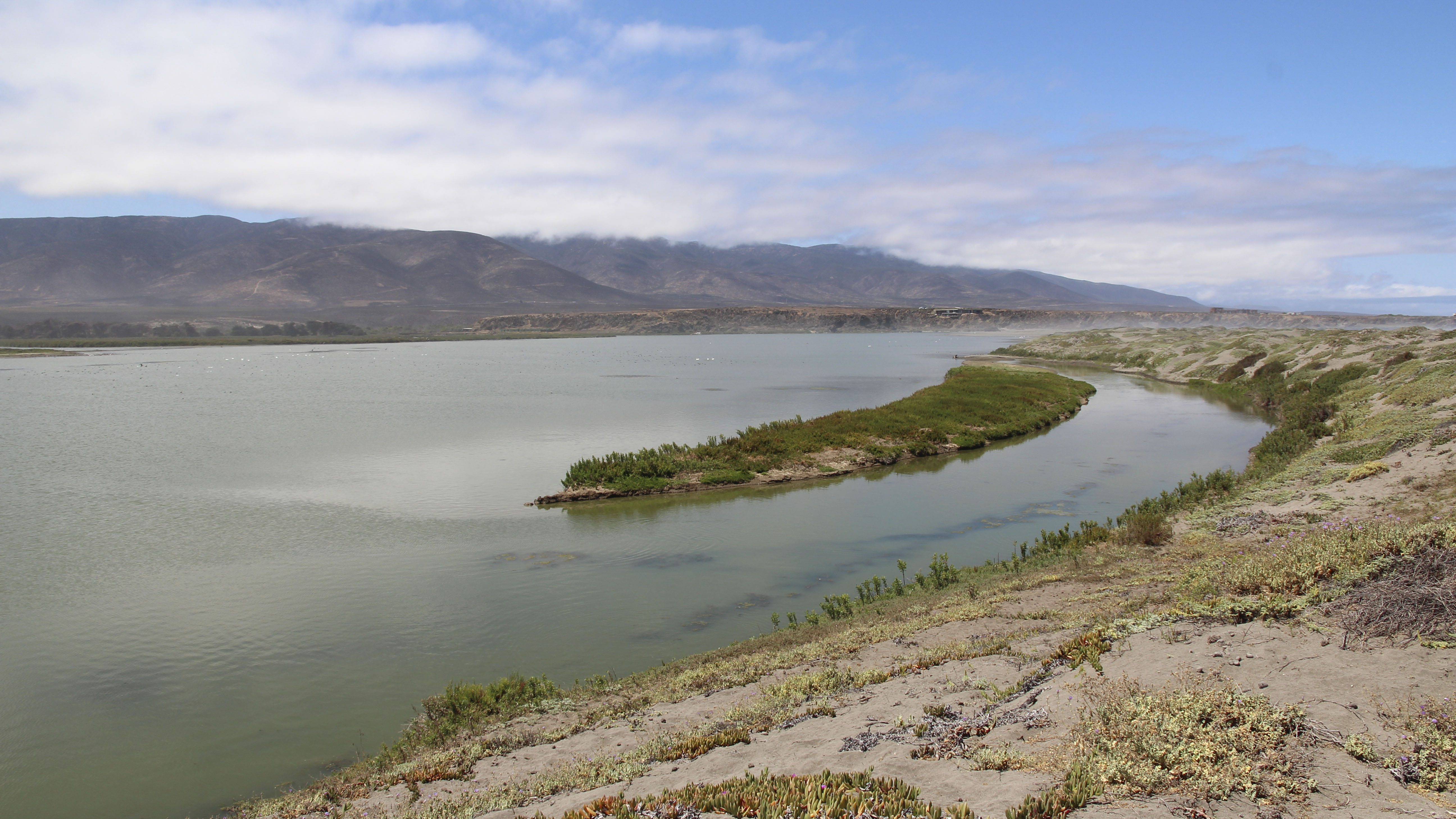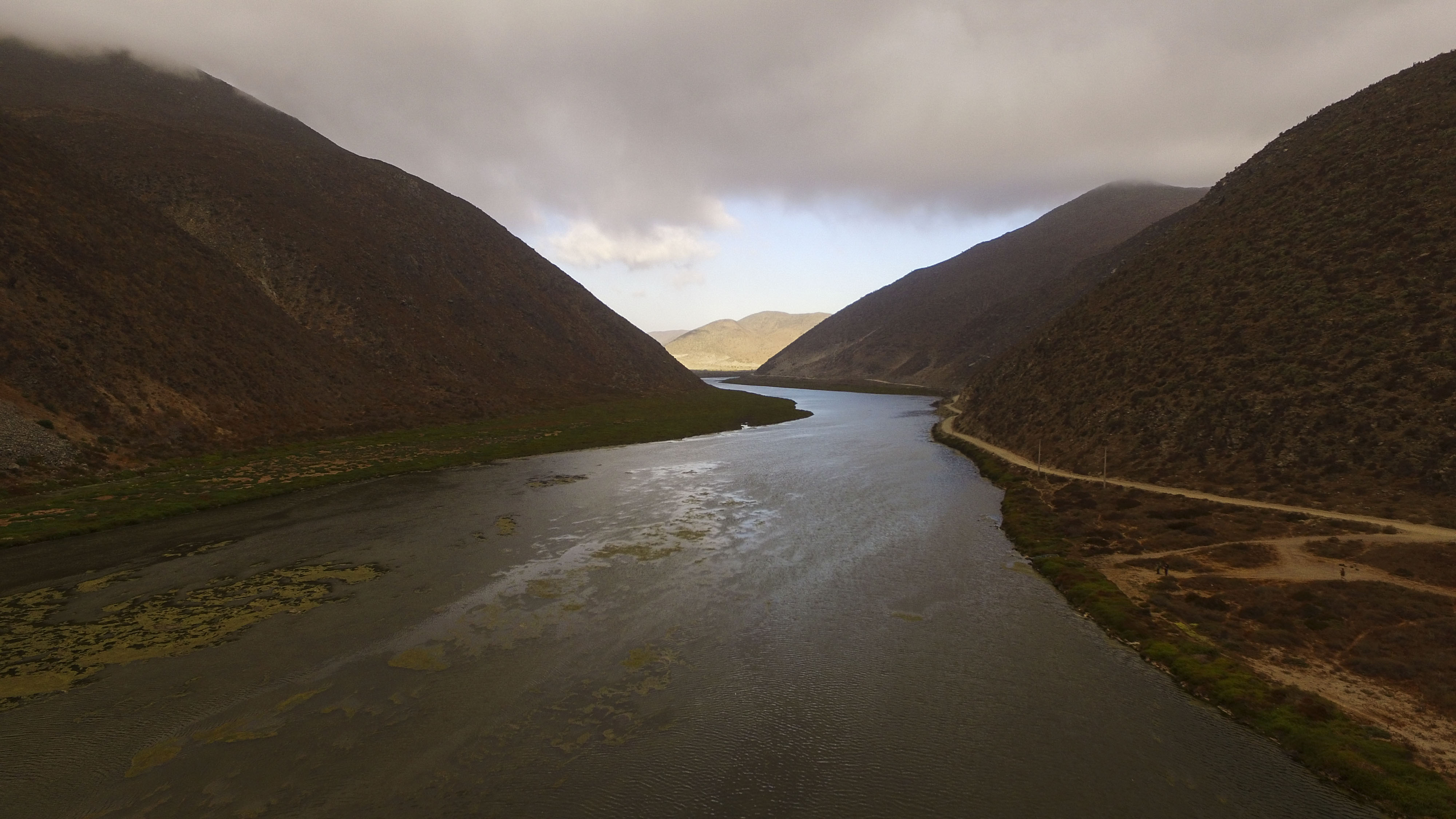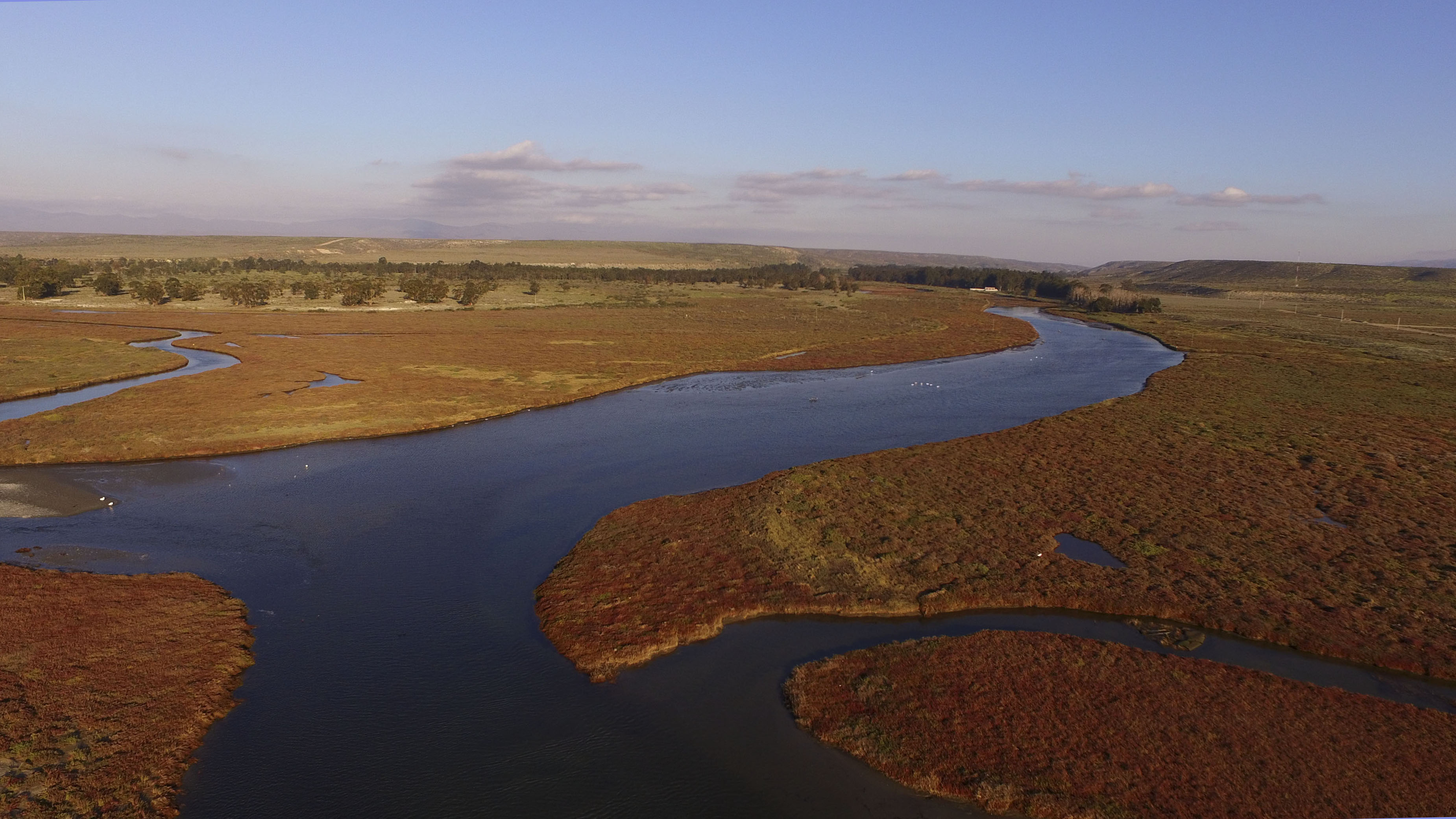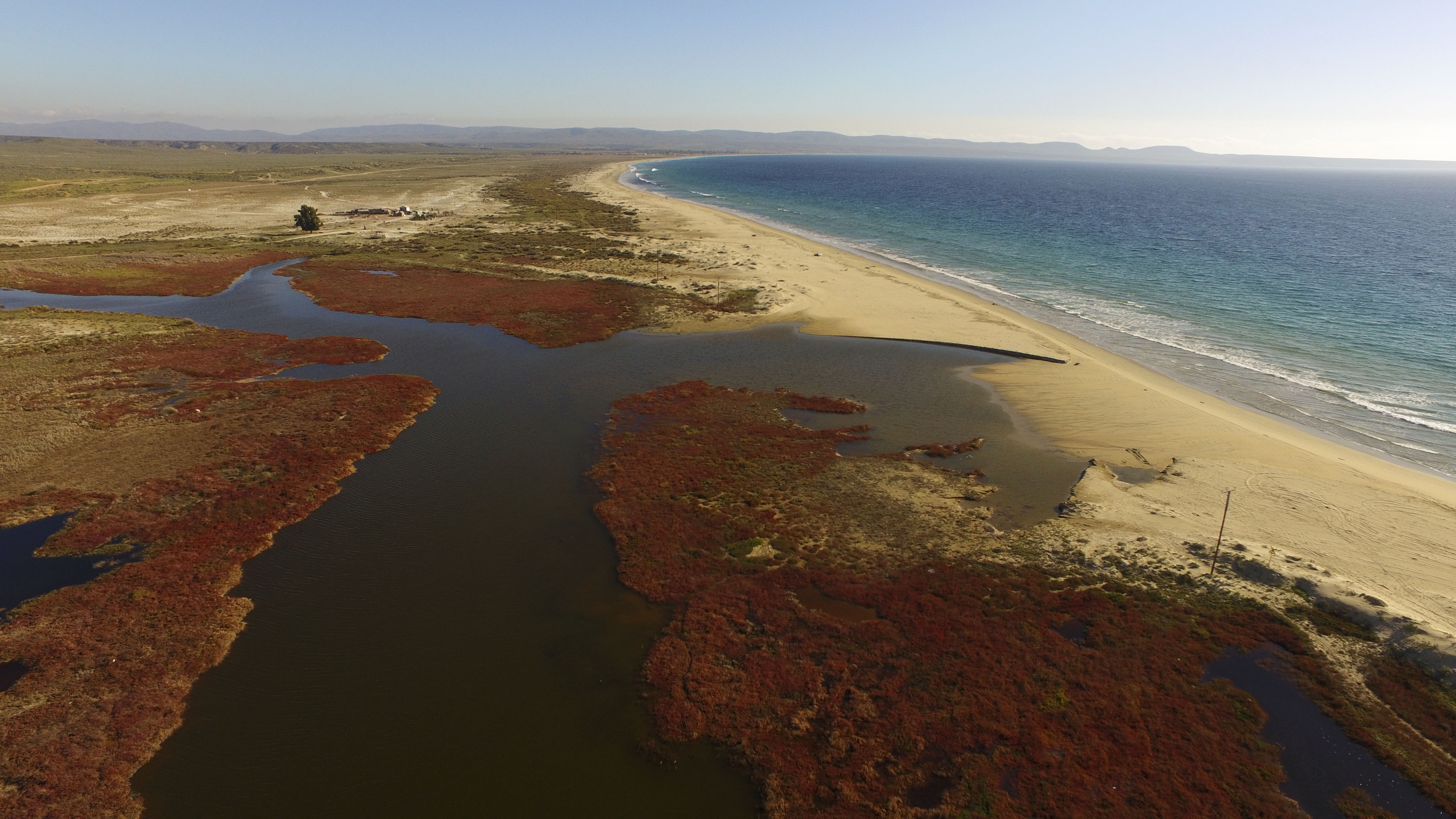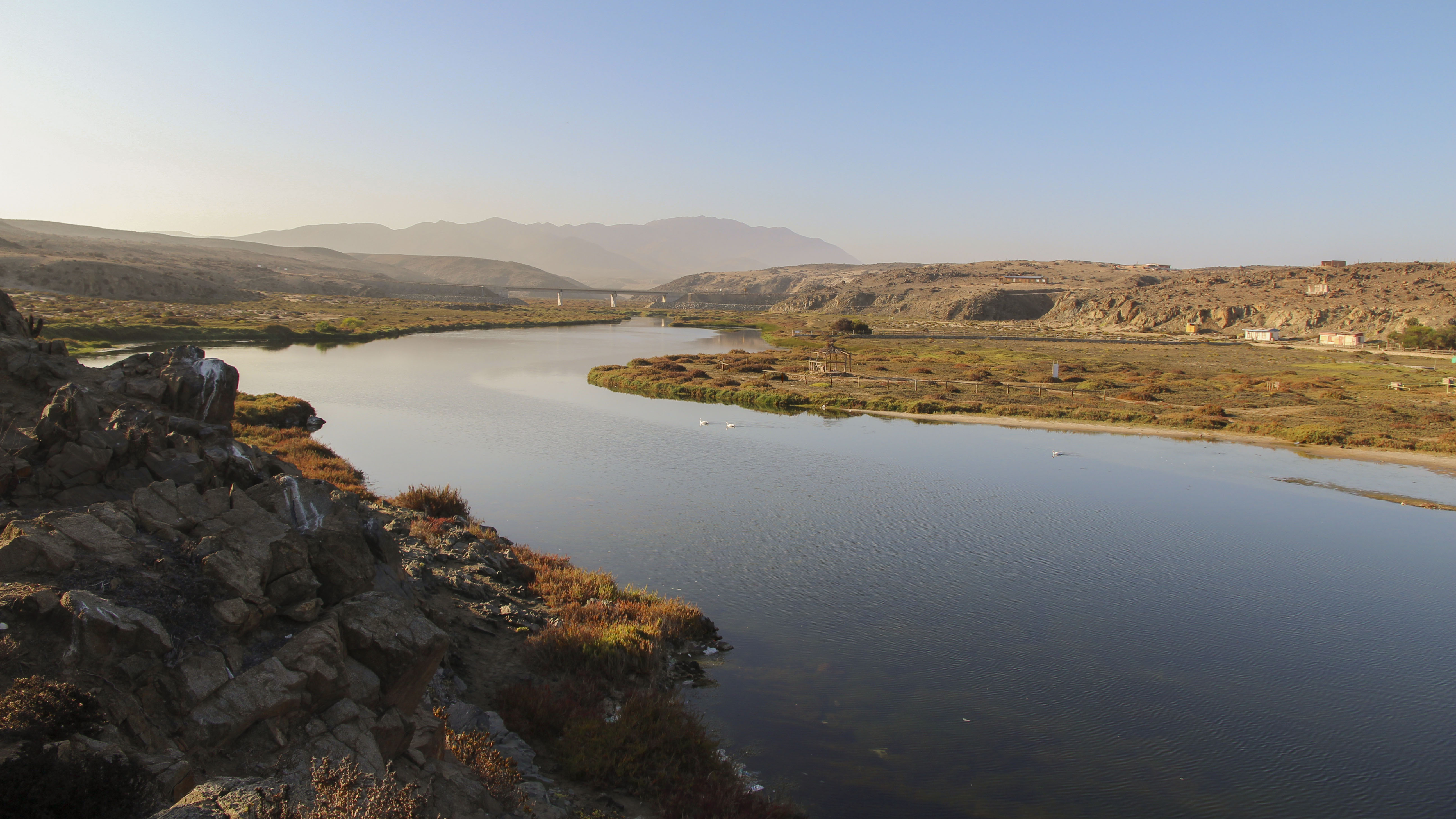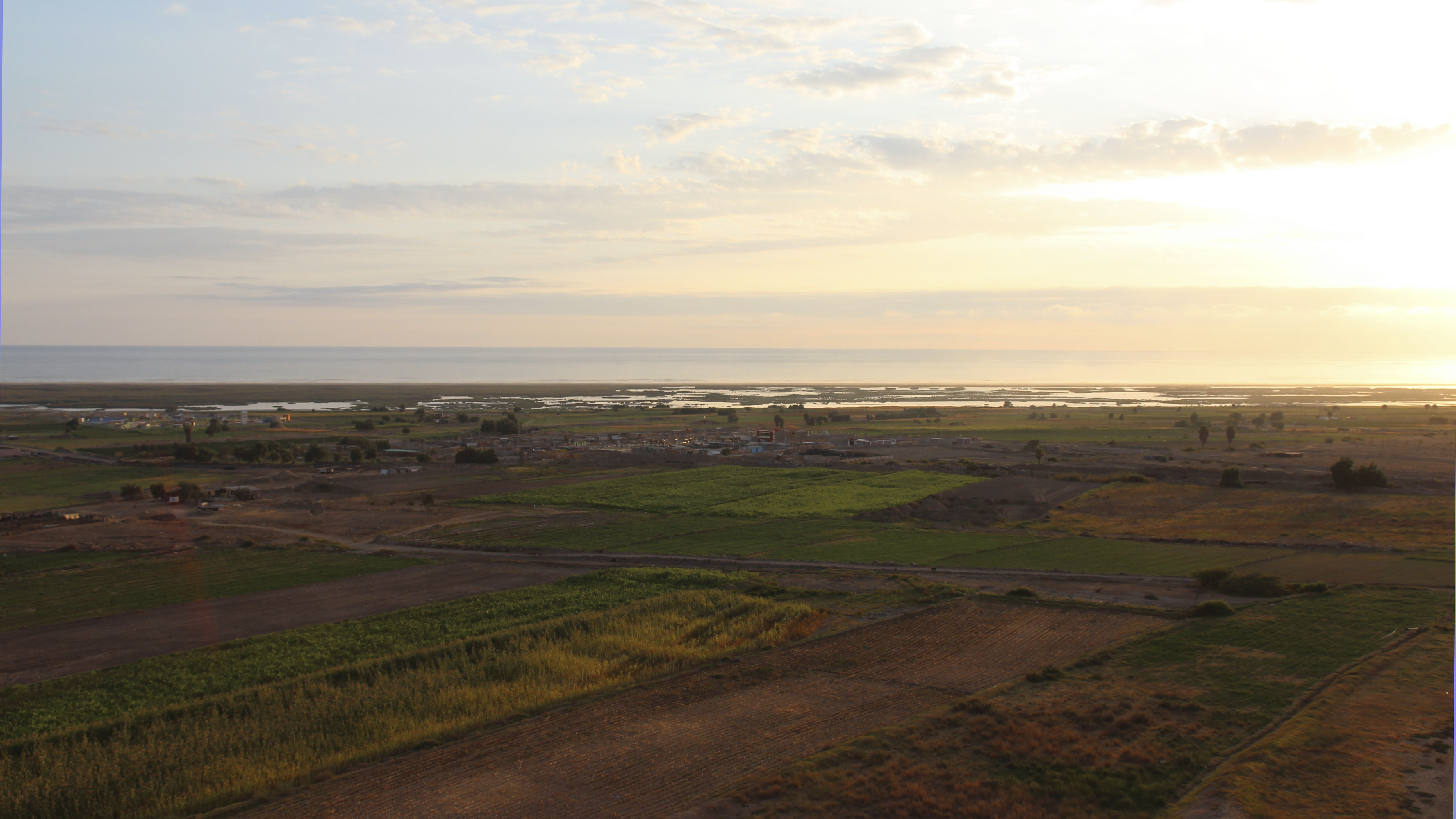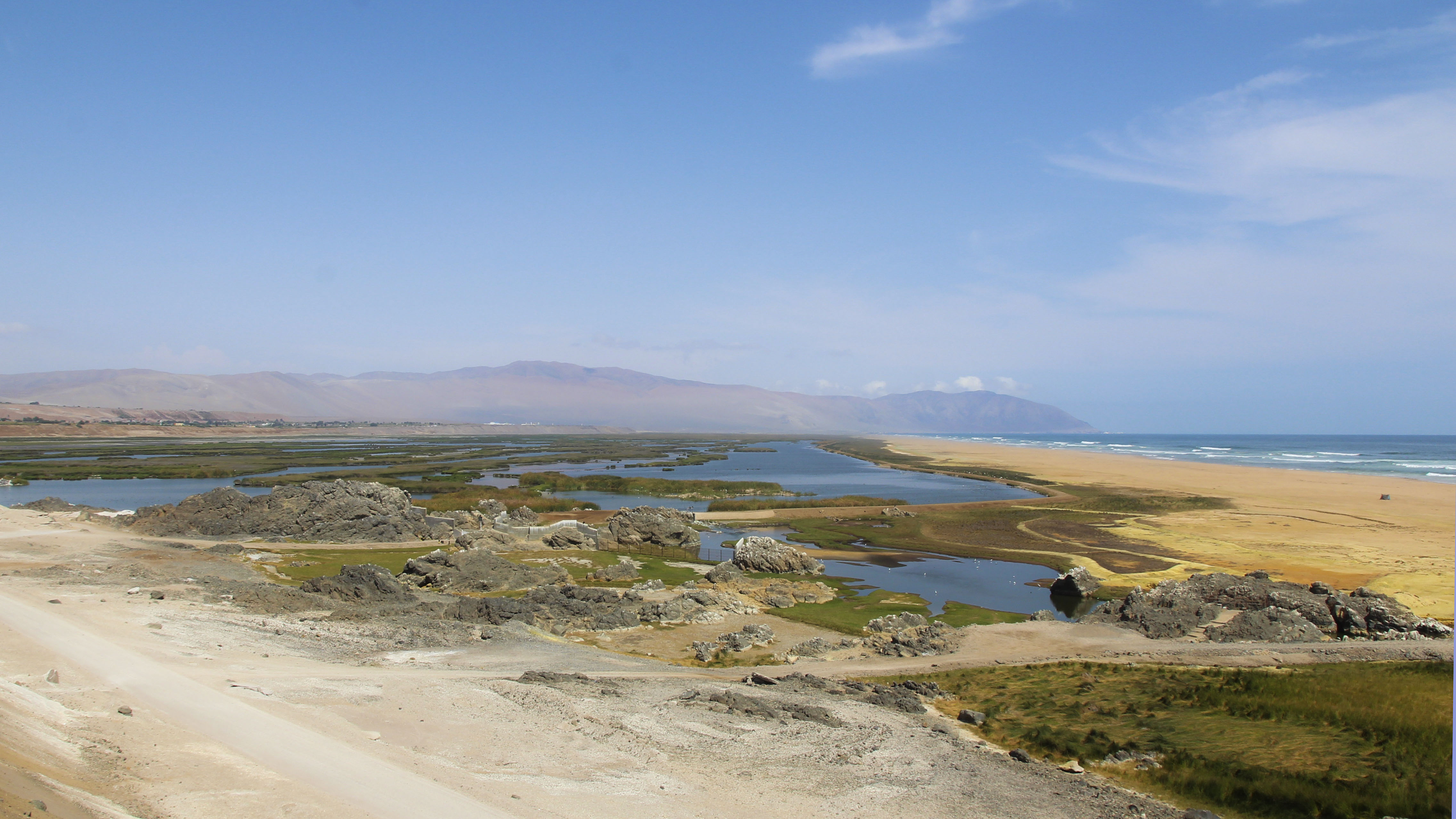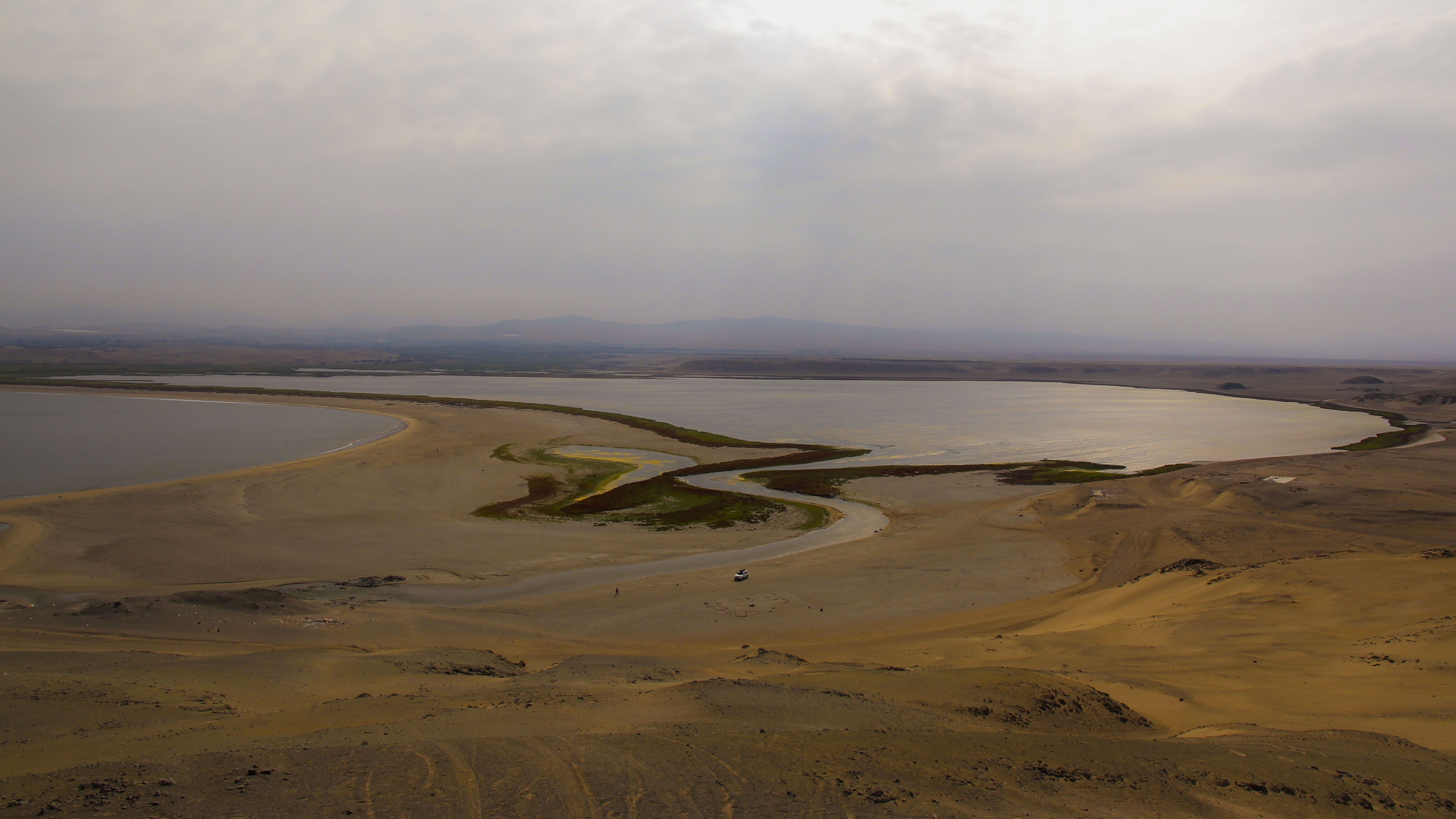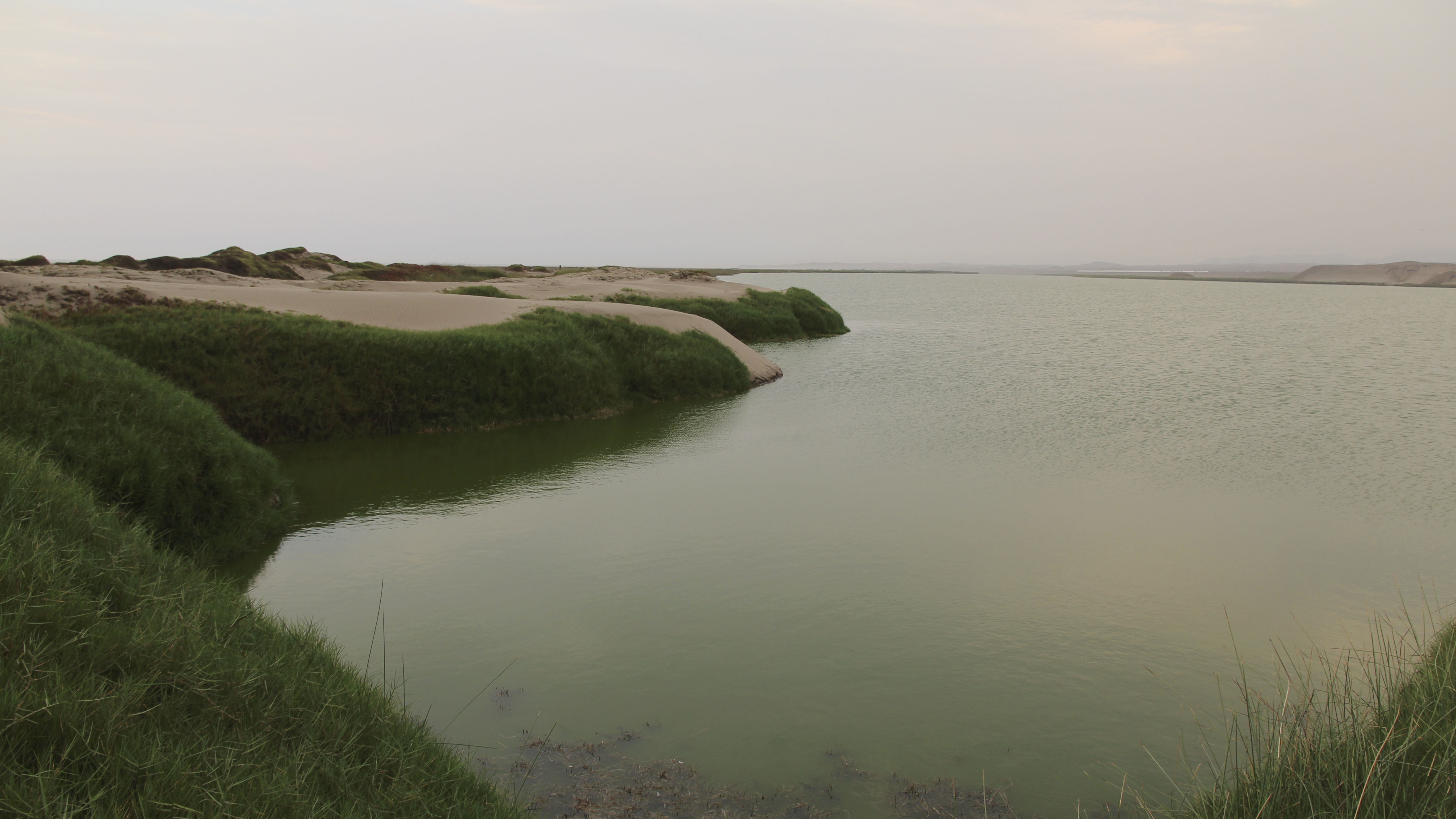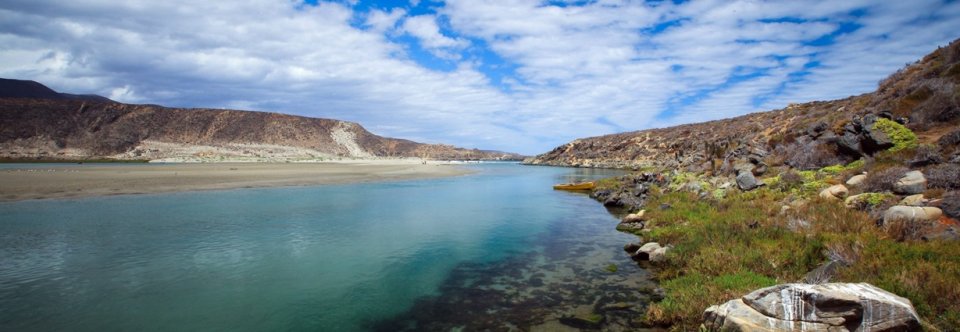
Wetlands at the arid-semiarid Pacific Coast of South America
Initiative for Conservation of Coastal Wetlands and Shore and Water Birds at the Arid Pacific Coast of South America
Since 2015, the Manfred-Hermsen-Stiftung is committed to the conservation of ecologically very important river estuaries, lagoons and tidal flats in Chile, Peru and Ecuador. Each of these wetlands has its own character and together they form a chain of vital resting areas for migratory birds.
Background
The arid coastal region of the South American Pacific stretches over a length of approx. 4.000 km from southern Ecuador, along the entire coast of Peru, down to Central Chile. Similar to the south-western coast of Africa, West Australia, or South California and the Baja California Peninsula, it is being influenced by a cold ocean current, the Humboldt Current, provoking very stable atmospheric conditions with an extremely dry climate in this region.
In the north of this region we have the Tumbesian and Ecuadorian tropical dry forests, surrounding the mangrove swamps at the Golf of Guayaquil. Further south, commencing approx. at the river valley of the Río Piura in northern Peru and stretching all the way down along the Peruvian and northern Chilean coast, lies the region of the coastal deserts, with the Atacama Desert, the driest desert on earth, in its centre. By the latitudes of the Río Elqui river valley, this landscape transitions to the mediterranean coastal region of Chile, characterized by a mix of xeric shrublands and mediterranean woodlands (Chilean Mattoral). Isolated river valleys, mainly fed by melt water and precipitation of the western slopes of the Andes, transverse like green veins this arid - semiarid landscape from the Andes down to the sea.
Along this coast runs a chain of wetlands, comprising lagoons, river mouths, estuaries, and intertidal flats. As local centres of biodiversity, they form an ecological corridor of great importance for numerous migrating and resident shore and water birds.
These coastal wetlands, although sometimes small in actual surface area, but ecologically and also socio-culturally of great value, are exposed to a permanent growing anthropogenic pressure and are additionally specially threatened by climate change. To the greatest threats belong intensive agriculture, industrial plants, mining, property development, hotels, illegal waste dumping, invasive species, uncontrolled tourism, and recreational activities like off-road driving. The direct implications of these threats are water shortage, pollution, conversion of wetlands, and the perturbation of the native flora and fauna. Additionally, the impact of climate change on the water balance in this region by changing precipitation patterns and melting of the glaciers in the Andes, is particularly concerning, and so is the effect of rising sea levels on the coastal wetlands.
The Initiative
The foundation Manfred-Hermsen-Stiftung, in collaboration with the local NGO CNEH, started 2015 an initiative for conservation of the coastal wetlands at the arid-semiarid Pacific coast of South America and the shore and water birds that rely on these habitats. In the first stage, we conducted a rapid conservation assessment of 34 coastal wetlands in Chile and Peru. This study has been presented at meetings with government representatives and at important conferences and seminars in the region, and in doing so a regional network for the protection of wetlands was created.
Together with partners from this network, an initial action plan for the protection of the entire chain of coastal wetlands was developed in 2017-18. Five years later, based on the experience gained, the action plan was revised in workshops with experts from NGOs, academia and the public sector of the region. The current version of the Action Plan can be found on the initiative's website in Spanish.
Since 2019, we are organising a Project Idea Competition every two years, providing committed local organizations the opportunity to receive financial and technical support for their work to protect coastal wetlands. The action plan is fundamental to this, with the funded projects driving its implementation in mutual exchange and cooperation.
The development of an Online Atlas with profiles of each individual coastal wetland in the region was another milestone. It serves a wide range of local stakeholders for professional exchange, citizen science, environmental education and, with its constantly growing database, as an important source of information for nature conservation.
In November 2024, in collaboration with a project funded by the Global Environment Facility, we held a technical exchange over three days in La Serena, Chile. The event was attended by more than 150 representatives (in person and online) from nature conservation organisations, universities, and the ministries for environment of Chile, Peru and Ecuador. As a result, we jointly developed a Policy Brief with recommendations for improved management and governance of coastal wetlands.